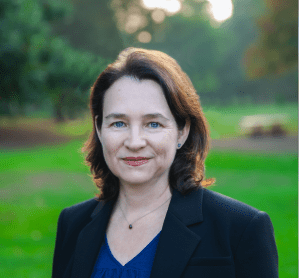
Jennifer Lynn Peterson (PhD, University of Chicago) is a cinema and media historian, educator, and writer living in Los Angeles.
I’m the author of Education in the School of Dreams: Travelogues and Early Nonfiction Film (Duke University Press, 2013). My scholarly articles have been published in Representations, Feminist Media Histories, JCMS, Camera Obscura, The Moving Image, and Getty Research Journal. I have published chapters in edited anthologies including The Oxford Handbook of Silent Cinema, Ends of Cinema, Hollywood on Location: An Industry History, Rediscovering U.S. Newsfilm, The Routledge Companion to Cinema and Gender, and Learning with the Lights Off: Educational Film in the United States. My film, art, and book reviews have been published in Critical Inquiry, Millenium Film Journal, Texte zur Kunst, the Los Angeles Review of Books, Artforum.com, and Contemporary Art Review LA (Carla). Previously I was a tenured Associate Professor in the Film Studies Program at the University of Colorado Boulder. After returning to my home state of California, I’m now a Professor in the Filmmaking Program at Woodbury University in Los Angeles, where I teach courses on film and media history and analysis. As of fall 2025 I’m also Associate Dean for the Schools of Architecture and Media : Culture : Design.
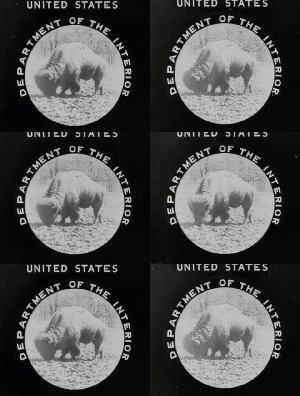
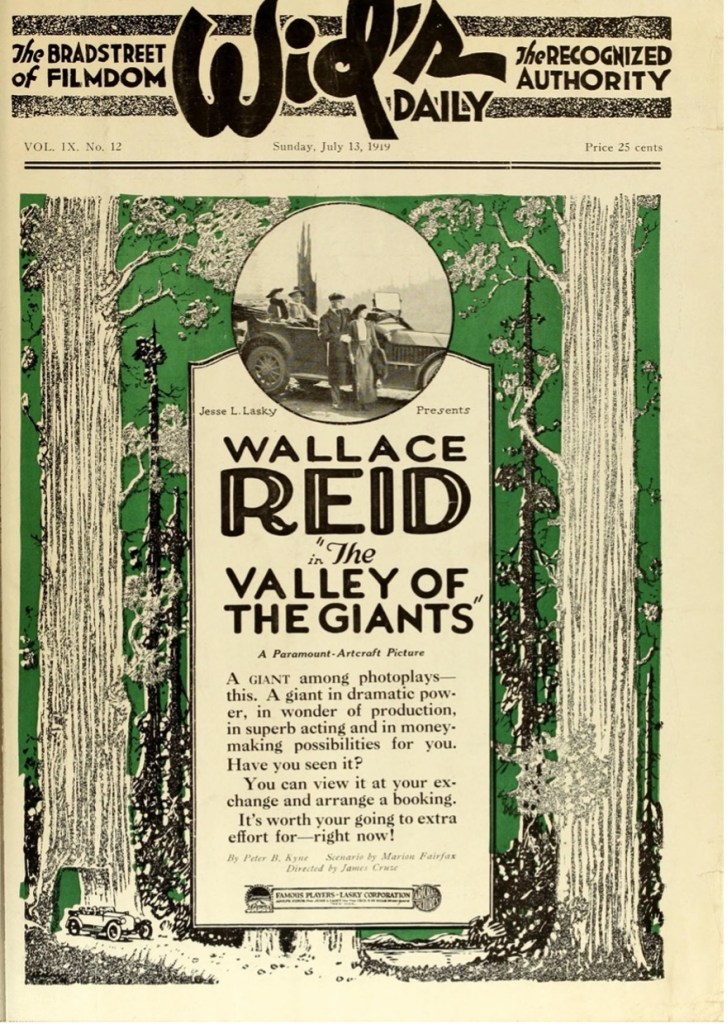
I’m completing the manuscript of my second book, Conservation Motion Pictures, under contract with Columbia University Press. My book shows how U.S. cinema of the 1910s-1930s helped to visualize a modern concept of nature as a domain for human use: mostly to be extracted from, but occasionally to be preserved, under the shared banner of settler colonialism and fossil capitalism. This contradictory, modern idea of nature as an extractive-or-protected domain took shape decades before the popular environmental movement of the 1960s, and it continues to structure the concept of nature in our current age of global warming, mass extinction, and climate injustice. Grounded in archival research on Hollywood feature films and nonfiction films made by the National Park Service, the US Department of Agriculture, and the Save-the-Redwoods League, my book examines film history in the context of conservation history. I analyze Hollywood features shot on location in “wilderness” settings — including Valley of the Giants (1919, 1927, and 1938 versions) and Mantrap (Victor Fleming, 1926) — alongside nonfiction films such as Highroads and Skyroads (USDA, 1922), Seeing Yosemite National Park (NPS, 1930), and The Land of Lofty Mountains (NPS, 1936). Analysis of cinematic realism has a well-established lineage in film theory, in both fiction and nonfiction film. But often, the environment has been understood as a film’s background, a setting for the human drama in the foreground. Conservation Motion Pictures reverses this hierarchy and considers cinema’s potentialities and limitations as an ecological medium. In tracing cinematic renderings of natures past, we learn not only how nature was envisioned, contested, cared for, and exploited in an earlier era; we also gain insight into our alienated relationship with nature in the present, which must be addressed if we are to transition into a more just and sustainable future.
Biographical: I was born and grew up in Santa Barbara, CA. I’m the first in my family to attend college. My mother is an immigrant from working-class London (from the now-gentrified neighborhood of Islington), my father is half Danish (Peterson) and half Latino (9th generation Californio, matrilineal family name Gutierrez). I live in Northeast Los Angeles (unceded Gabrieliño/Tongva land) with my spouse, two kids, a big dog, and a school of small fish.
 Jennifer Lynn Peterson